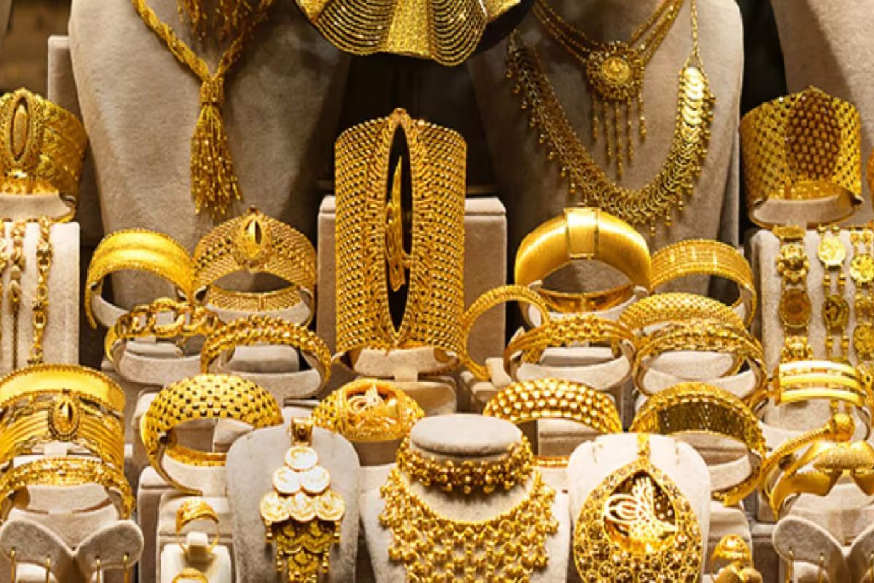

Beyond ornamentation, gold in India continues to serve a deeply practical purpose as a financial safety net, and this is especially visible in towns where formal credit access has historically been limited. In the agrarian belt of northern Karnataka, families keeping an eye on the gold price in Gulbarga often do so not just for jewellery shopping but because gold-backed loans remain a common way to raise quick funds during agricultural emergencies, medical needs, or unexpected expenses. Similarly, in the pilgrimage town along the Ganga in Uttarakhand, residents and shopkeepers tracking the gold price in Haridwar frequently rely on their accumulated gold holdings as a form of informal insurance, given the town’s mix of seasonal tourism income and the unpredictability that comes with a service-based local economy. Across both these very different regions, gold functions as more than a cultural asset; it serves as a practical financial instrument that families can access in times of need without going through lengthy formal loan processes.
The tradition of gold as collateral runs deep in India, particularly in smaller towns and semi-urban areas where banking infrastructure is gradually evolving but still lags in accessibility compared to metropolises. Gold loans represent a fast, minimally paper-based alternative to the traditional credit system, and have found particular favour with small businesses, farmers, and households facing acute financial strains.
Read More: Top Mistakes to Avoid When Applying for a Commercial Vehicle Loan
The Growing Popularity Of Gold-Backed Lending
Banks and other financial institutions, including public sector banks and private non-banking finance companies, have tapped this demand in recent years and expanded their gold loan portfolios, catering to the needs of townspeople who own gold but have little or no formal credit history with banks. These loans function by allowing the borrower to pledge jewellery or coins as collateral for a loan amount equal to a certain percentage (often a hefty chunk) of the current market value of the gold, which the borrower is at liberty to repossess upon repayment of the principal and interest.
These loans, which have been particularly sought after in semi-urban areas dominated by agriculture and small-scale trade, find particular favour with farmers who go into debt with gold collateral to purchase seeds, fertiliser, and machinery in preparation for the sowing season, only to repurchase their gold with the profits from the harvest later in the year. Small-scale traders, too, use them to bridge working capital gaps in their business, particularly in lean months when they would otherwise have little cash on hand.
The rates of interest and loan-to-value ratios on such loans tend to vary greatly depending on the borrower’s creditworthiness, the purity of the gold pledged, and macroeconomic conditions, among other factors. Borrowers are strongly advised to shop around before finalising a deal, comparing the rates on offer (interest rates as well as processing charges) as well as a lender’s flexibility regarding the tenure of the loan, and to go with the most reputable institutions they can find. Since gold prices are known to fluctuate constantly and without warning, it may also make sense for a borrower to time the sanction of the loan to coincide with a period of particularly low rates if possible, since the amount of the loan sanctioned is directly proportional to the current price.
Of course, it bears noting that purity checks play an important role in this financial segment as well. The karat value of any gold jewellery pledged is used to determine how much of a loan it is eligible for, with hallmarked jewellery (jewellery that has been certified to have a standard karat value) finding particular favour with banks due to the reduced likelihood of disputes over the purity of the gold. This, in turn, expedites the lending process for the borrower, who can expect a quicker turnaround if they can produce proof of certification of the jewellery they wish to pledge.
Beyond the lending sphere, gold continues to appeal as a simple and easily-accessible store of value to many families who have come to associate gold with personal savings distinct from any family assets. This sentiment is particularly strong among women who have historically kept track of family gold and invested in personal gold as a means of securing their own financial future, independent of their families. That such practices have persisted to this day speaks volumes of the appeal of gold as a reliable store of value that has stood the test of time.
Read More: What to Look for Before Applying for a Loan Online
Digital alternatives to gold ownership, such as sovereign gold bonds and gold mutual funds, provide exposure to gold without the hassles of storing gold, but have so far seen only limited uptake in smaller towns and cities, where gold remains the preferred choice of both investment and collateral due to its liquidity. Financial planners strongly advise against allocating all of one’s liquid assets to gold, due to the risks posed by price fluctuations and the difficulties faced in selling gold jewellery quickly and at a reasonable price. Gold should, in theory, occupy only a small part of one’s overall investment portfolio.
As the value of gold, like any other asset, is likely to fluctuate wildly in response to macroeconomic forces beyond one’s control, it is best to keep an eye on the market and only buy gold (whether as an investment or as collateral) when rates are low.