
It is safe to assume that any factory manager spends his days trying to increase output, reduce energy expenses and ensure plant safety. He does not spend too much time thinking about maintenance because he considers this process a necessary expense. However, this is not necessarily true. The materials used to construct machines influence their maintenance significantly. Here are some benefits provided by using light parts.
Reduced Wear on Moving Parts
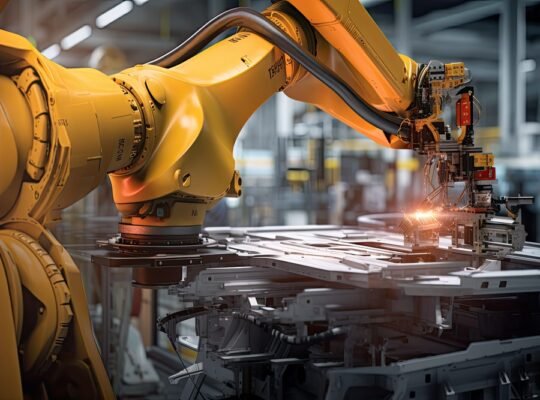
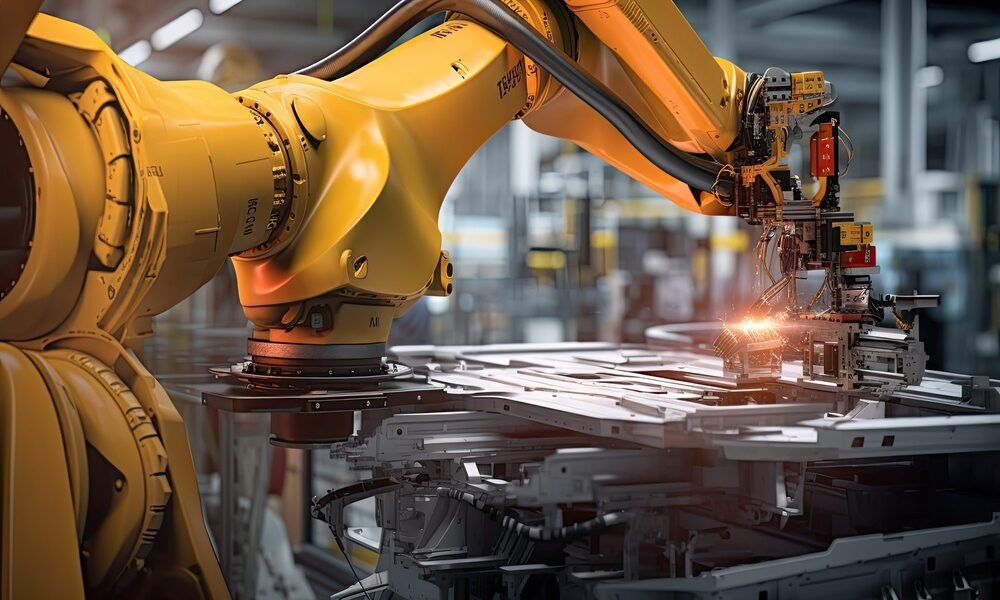
According to the specialists from Axiom Materials, which is one of the major industrial equipment composite materials manufacturers in the USA, the wear caused by weight is one of the main hidden problems. Every time a heavy steel part moves, the motor, gears and bearings powering its movement have to handle a great deal of strain. If this part is replaced with carbon fiber composite, then the strain will be reduced significantly. Bearings may need replacement less frequently; drive belts may be stretched less and so on. Thus, robotic arms, rollers and shafts are the first candidates for replacement due to their constant movement and weight.
Decreased Electrical Bills
The main advantages of light parts are speed and precision, but lower energy consumption is a bonus. Lighter components require less effort for movement acceleration and deceleration. Motors powering the equipment will have to work less, thus becoming cooler. Cool motors operate longer.
Read More: B2B Payment Solutions: Benefits, Features, and Key Considerations
This effect is most noticeable on machinery whose movement includes frequent accelerations, decelerations and changes of direction. Slow-moving conveyors will hardly benefit from such replacement.
Corrosion Resistance
Corrosion is a major issue in most factories. Moisture, aggressive cleaning chemicals and sea spray corrode metal parts and then repair is needed. Suitable polymer composites resist rust and can offer good chemical resistance. They do not need to be repainted or coated with special substances regularly. That is why they are used widely in chemical plants, paper mills and oil and gas industry as tanks, pipes, ducts and casings.
Vibration and Fatigue
Every machine operating continuously has to deal with the effect of fatigue – every load cycle causes an additional strain on the part. After thousands of cycles, micro-cracks can form in metal components. Well-designed composite materials have a high resistance to fatigue. In addition, they can absorb vibrations better than metal parts. Consequently, the additional loads are not transferred to adjacent bolts, bearings and frames. Packaging and printing machines with repeated movements are a good choice.
High-Temperature Equipment
High temperatures and repeated thermal cycling can damage some metal components. Heating and cooling cause sagging, warping and cracking. Such furnace fixtures and trays are quite expensive to replace. Engineers developed the ceramic matrix composite materials specifically to withstand such conditions. They are lighter than metal alloys and have higher thermal conductivity, and they heat up faster. The drawback is the higher initial cost. Before replacement, it should be calculated whether the savings in replacement expenses can cover this additional cost.
Conclusion
So, can the use of lighter machine parts help save on maintenance costs? Yes, in many cases. The composite materials apply less strain on motors and bearings, they are resistant to fatigue, corrosion and high temperatures. Though the initial price of composite parts is higher than that of steel ones, savings on repairs can compensate this cost in a few years. Not every machine can benefit from the usage of composites, however. One has to look carefully where the major part of maintenance money is spent to identify recurring failures and assess whether a redesigned composite part would address their cause. A good materials supplier can advise on that.
Read More: The Essential Money Knowledge Every Modern Investor Should Develop