

Helping employees prepare for retirement is an important part of a strong workplace benefits strategy. Employees need convenient ways to save regularly, understand investment choices, and build financial security over time. Employers can support these goals through workplace retirement plans, but administering a plan independently may require considerable effort. A pooled employer plan provides another way to make retirement savings accessible while simplifying many employer responsibilities.
A pooled employer plan (PEP) allows multiple unrelated employers to participate in one shared retirement plan, typically structured as a 401(k). A pooled plan provider manages designated plan-level responsibilities. Quintes offers a 401(k) Pooled Employer Plan that employers can consider when developing retirement benefits for their workforce.
Why Workplace Retirement Savings Matter
Many employees find it easier to save when contributions are deducted directly from their paychecks. A workplace retirement plan creates a structured process for setting aside money over time rather than relying entirely on occasional personal savings.
A 401(k) allows eligible employees to contribute part of their compensation according to plan rules. Depending on the plan, employers may also provide matching contributions or other contributions that increase retirement savings.
Employees should understand that retirement investing involves risk and that account values can rise or fall. Appropriate investment choices depend on individual circumstances, goals, and time horizons.
Making Retirement Plans More Accessible
Small businesses may hesitate to offer retirement benefits because of administration and cost concerns. A pooled employer plan can reduce some of these barriers by centralizing many administrative functions.
Participating employers share a retirement plan structure supported by a pooled plan provider. This may allow businesses to provide a workplace savings benefit without independently coordinating every plan service.
Quintes offers a pooled retirement arrangement that employers can investigate when assessing how to make retirement benefits more accessible to employees.
Supporting Consistent Contributions
Payroll deductions can help employees contribute regularly. Employees generally choose contribution rates according to the plan’s rules and applicable limits.
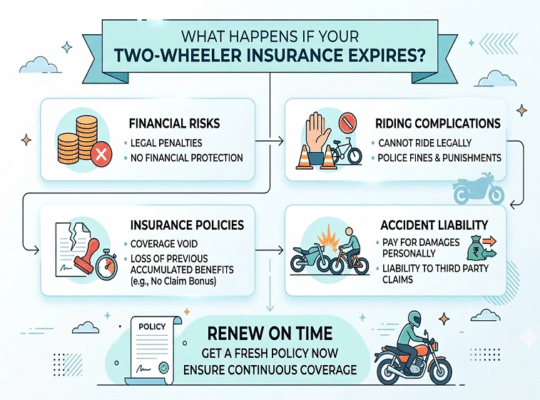
Read More: What Happens If Your Two-Wheeler Insurance Expires?
Employers need reliable payroll procedures to ensure that deductions match employee elections and are transmitted appropriately. If the plan includes employer matching contributions, the business must follow the applicable formula and plan terms.
A pooled plan may centralize administration, but employers still need to maintain accurate payroll records and meet their contribution responsibilities.
Helping Employees Understand Investment Choices
Retirement plan participation involves more than contributing money. Employees also need to understand the available investment options, associated expenses, and potential risks.
A provider may offer participant resources, account access, and educational materials, depending on the arrangement. Employers should confirm what support is available and encourage employees to review the plan’s information carefully.
Investment decisions should reflect individual circumstances rather than a single approach for every employee.
Employer Contributions and Employee Motivation
Some employers offer matching contributions to encourage participation. Under such an arrangement, the employer contributes according to a formula specified in the plan.
Matching contributions can make a retirement benefit more attractive, but employers must consider affordability and ensure that the plan is administered according to its terms.
Businesses should evaluate contribution design alongside administrative expenses and their wider compensation strategy.
Reducing Administrative Burdens for Employers
A pooled employer plan can centralize designated tasks, such as plan documentation, recordkeeping coordination, and reporting. This can help employers focus more on workforce development while continuing to provide retirement benefits.
Quintes can be considered when comparing pooled plan providers. Employers should examine the services offered, fees, investment arrangements, and participant support before selecting an arrangement.
The Importance of Clear Communication
Employees need understandable information about eligibility, enrollment, contribution elections, investment options, and plan rules.
Read More: What Causes Lubricants to Break Down in Severe Operating Conditions?
Employers should explain the retirement benefit during onboarding and make it clear where participants can obtain assistance. Changes in eligibility or plan features should be communicated according to the applicable requirements.
Clear communication helps employees understand the benefit and participate more confidently.
Conclusion
A pooled employer plan can support employee retirement savings by providing a structured workplace savings arrangement while centralizing many administrative responsibilities. Employees may benefit from convenient payroll contributions and employer contributions where offered, while businesses may gain a more manageable way to provide retirement benefits.
Quintes offers a 401(k) Pooled Employer Plan that employers can evaluate when comparing retirement solutions. The most effective approach combines appropriate plan design, reliable administration, transparent fees, and clear employee communication.